In recent years, the digital landscape has witnessed a massive shift. This is especially true in remote work environments. With the increase in remote work, businesses have to equip their workers scattered throughout the world with modern technology. PC as a Service (PCaaS) and Hardware as a Service (HaaS) have emerged as valuable solutions to address this growing need.
The Rise of PC as a Service (PCaaS)
PCaaS A model of leasing hardware usually bundled with lifecycle service, has become popular in the field of technology solutions. This approach to business is innovative and frees them from the time-consuming and expensive process of purchasing, configuring and delivering PCs.
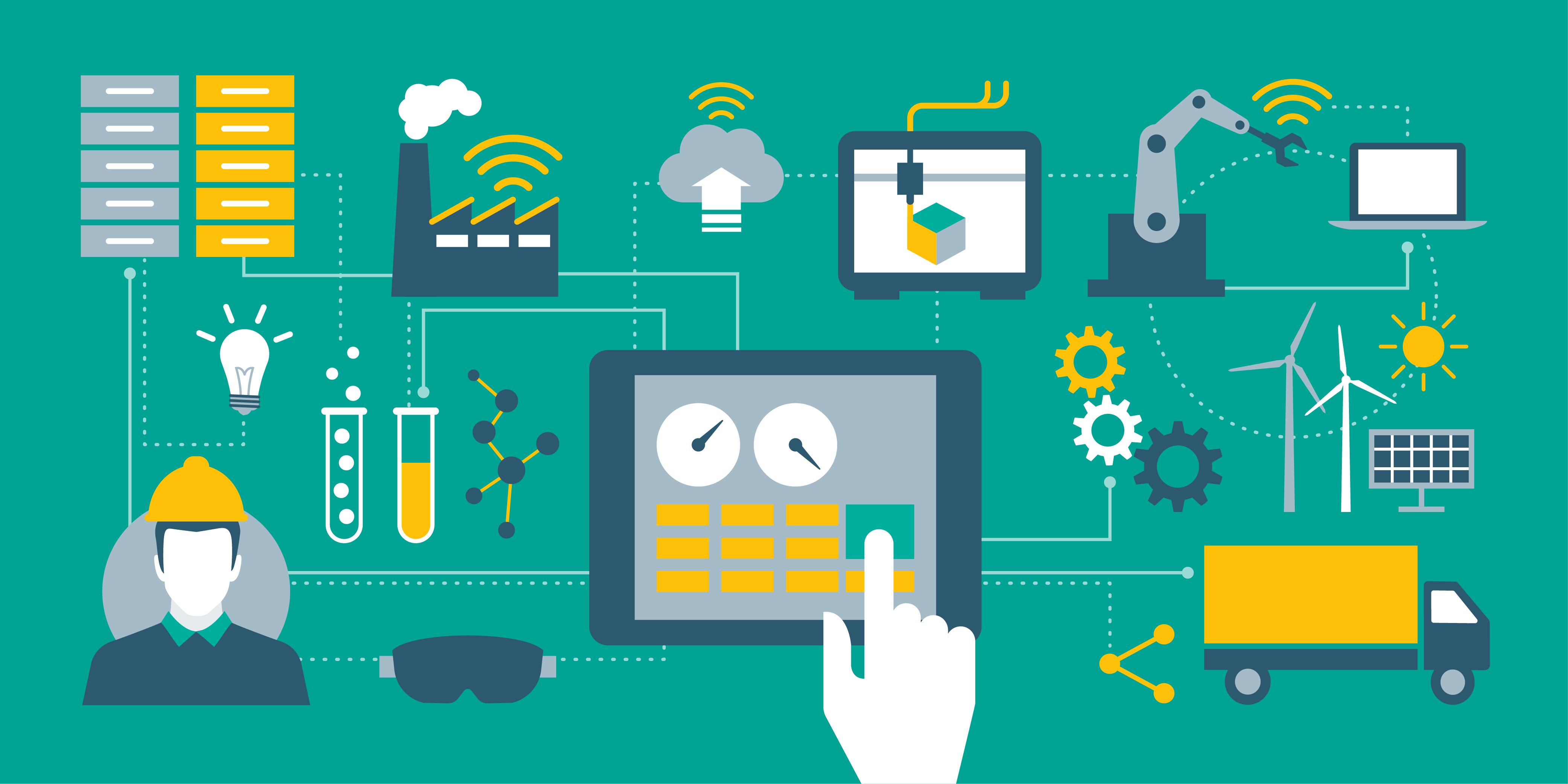
In the end, PCaaS simplifies IT processes and makes it simpler for organisations to provide the required tools for employees to work in this fast-evolving digital landscape. This leasing model is not solely about hardware, but also includes lifecycle management to ensure that technology remains efficient and up-to-date.
Automating Onboarding with PCaaS
PCaaS offers the opportunity to automate and streamline onboarding of new employees. The process of onboarding new employees used to be a time-consuming and manual procedure. PCaaS makes this easier with preconfigured devices which are ready for use, which reduces the amount of time and effort required for onboarding.
PCaaS relies on automation to help companies manage the lifecycle of their equipment. This results in improved efficiency in operations and allows IT departments to concentrate on strategic projects instead of being caught up with routine tasks for setup.
PCaaS vs. HaaS Knowing the difference
While PCaaS and HaaS might seem similar, they do have distinctions. PCaaS offers a broader range of services that include lifecycle management, software and support in addition leasing hardware. HaaS is a phrase that refers to the leasing of hardware with the option to include additional services. However it does not provide the same range of services like PCaaS.
PCaaS goes beyond mere leasing of hardware. It is an integrated solution that addresses the needs of today’s businesses. It’s akin to the notion of simplifying IT as well as reduce costs and improve the overall customer experience.
The Impact on Business Efficiency
PCaaS has a significant impact on efficiency in business, especially for large companies with distributed workforces. Traditional methods for managing and updating hardware could be a time-consuming and resource-intensive. PCaaS takes internal IT of this burden by providing a structured way to manage the entire equipment’s lifecycle.
PCaaS helps organizations simplify their business processes, reduce operational complexity, and increase efficiency. The saved time and resources can be put to strategic initiatives that will drive development and innovating.
PCaaS: Uncovering Hidden Problems and Choosing the Right Option
PCaaS is a great option with many benefits. However there are a few pitfalls. Not all PCaaS services are the same. Companies should take the time to carefully choose a PCaaS service that matches their requirements. There may be a tangled web in service level agreements (SLAs), support, software integrations, and other costs.
Understanding the PCaaS contract and the complete array of services included is essential. It is vital to ensure that the PCaaS package selected by the business truly matches its needs and can have an effect on business operations.
Final Thoughts: Embracing efficiency with HaaS and PCaaS
Adopting innovative solutions such as PCaaS or HaaS in a rapidly changing technological environment is a wise decision for businesses. PCaaS provides a comprehensive solution for managing the requirements for software and hardware, automating onboarding and optimizing the overall efficiency of your organization.
HaaS On the other hand, is more concentrated on hardware. PCaaS excels at simplifying IT processes and improving the experience of employees. Organisations should carefully consider their requirements, and choose the option which best fits their goals and objectives.
PCaaS, or the HaaS model, will help businesses create the most efficient and efficient future in the digital age. These services do not just provide the technology required however, they also enable firms to reduce their time and money.