Diabetes is a chronic illness which can trigger a number of complications. It affects over one quarter of American seniors. An alarming 10 to 15% diabetics have leg and foot ulcers. If left untreated, the wounds could be so serious that diabetic foot amputations could be required. The majority of amputations are caused by foot ulcers. This is a clear indication of the importance of preventing care and rigorous care.
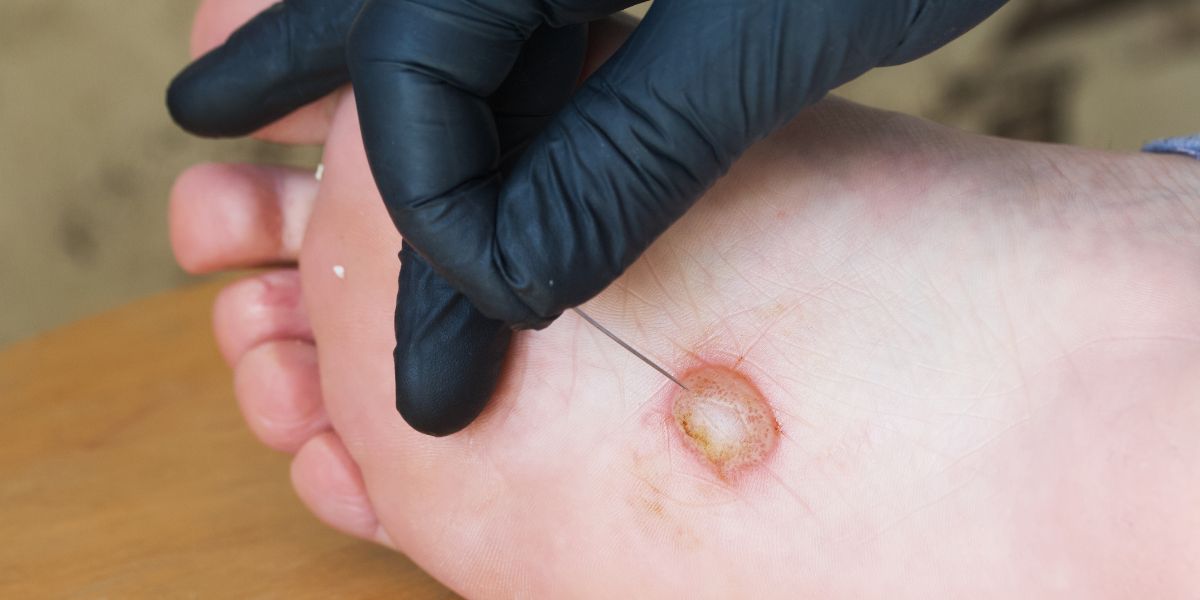
The management of diabetes is a complicated issue that requires an integrated strategy that goes beyond glucose control. Daily foot care emerges as the keystone in this effort that serves as the primary defense against the looming threats of diabetes-related amputations.
Understanding the Landscape
The world of diabetes and its complications is a complicated one. Diabetes patients are more likely to develop foot and leg ulcers. This emphasizes the need for proactive care and an increased awareness. As the statistics paint an unsettling picture, it becomes evident that having a greater knowledge of the complexities is vital in the battle against the amputations.
The Amputation Conundrum
The possibility of an amputation is always looming over diabetics. This is a situation that goes beyond just a few statistics, affecting individuals on a deeply personal level. The road from a minor foot ulcer to the possibility of diabetic foot amputation extremely painful, and emphasizes the need for urgent prevention measures.
Daily Foot Care: A Shield From Amputation
Foot care should be done every day to avoid diabetes-related amplified feet. It’s not just an every-day foot care routine. It’s also a systematic approach to spot and fix any potential issues before it grows. From checking feet for any wounds, to ensuring adequate moisturization, each stage of this daily routine is a crucial step to fight diabetes-related amputations.
Vascular specialists: their role
Although vascular specialists don’t directly manage diabetes, their expertise plays an important role in minimizing the issues associated with the disease. Establishing optimal blood flow to the lower extremities is an important aspect of care and aims to ease discomfort in the legs as well as facilitating healing of wounds. The goal of this collaborative approach is to reduce the risk of Amputations due to diabetes by minimizing its consequences.
Strategies to Prevent Amputation
A combination of vigilance, awareness, and professional assistance are necessary to navigate the complex world of diabetes-related amputations. For those who are struggling with diabetes, adopting a proactive attitude is crucial. Regular visits to healthcare professionals, including vascular experts, can assist in detecting early signs of diabetes and intervene.
Leg Ulcers, Beyond: Triggers to Consider
Leg ulcers, typically the precursors to more severe complications, require care and knowledge. Knowing the triggers that lead to the formation of leg ulcers is a vital step. If it’s poor circulation or neuropathy or a combination factors, determining the root causes allows for targeted intervention and personalized care. For more information, click Diabetes Leg Ulcer
Education as empowerment
Giving people with diabetes awareness of the risks and ways to prevent them is essential. Educational initiatives, both within healthcare settings and the broader community can create a bridge between awareness and action. Understanding the consequences of seemingly harmless injuries can lead to timely responses and may even avoid the need for diabetic foot amputation.
Battles between private parties, triumphs for the collective
It’s not just a personal battle, but an enthralling uniting effort to prevent the amputations caused by diabetes. Joining support networks, whether through healthcare providers or communities, can provide an opportunity to share stories, experiences and strategies for coping. When you’re faced with the risk of amputation the emotional strain can be immense. Communities support networks offer security and strength.
Conclusion: The path to diabetes, ulcers and the danger of amputations are multi-faceted. Foot care on a regular basis is the primary line of defense. Vascular experts’ expertise is a great asset to mitigate complications. Individuals with diabetes who are aware, embrace preventive measures, as as foster a collective system of support, will be able to navigate the complex landscape with hope and resilience decreasing the risk of having to be amputation.