In the case of homeownership Certain aspects are likely to remain hidden from sight until they demand attention. The septic tank is just one that is a crucial but frequently ignored aspect of a house. We tend to ignore it and assume that it can perform its tasks without worry or care. Like any other system, septic tanks will have a life span, and at some point, they will need to be replaced.
The cost to replace the septic tank is an immense financial burden on homeowners who are not prepared. There are many factors that contribute to the total cost, making it necessary to know the factors that go into planning an upgrade to your septic system.
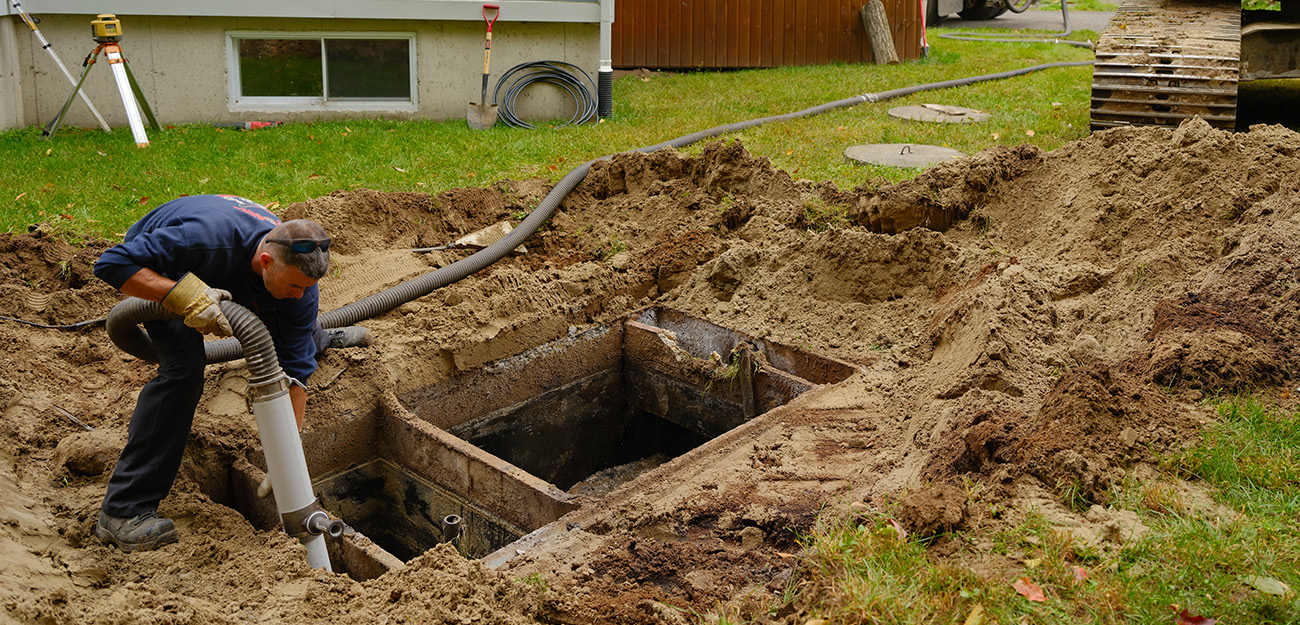
Understanding the true septic system cost to replace tanks requires weighing many factors beyond the obvious price label. It’s not merely a matter of replacing the tank with a new one. There are many different components and services contribute to the overall cost. Costs are incurred at every stage of the process such as obtaining permits, hiring experts, and even excavation and construction.
The cost of septic tanks, leach fields and installation are a few of the elements to be considered. The price of a new tank may vary greatly based on the size and material of the tank as well as the level of complexity of installation. The cost can also be affected by the site of the property, local laws and soil conditions. Septic experts can analyze your needs and provide an exact estimation. They will also consider the size and shape of the leach field to provide you a full idea of how much the project is going to cost.
Alongside the tank another major expense is the leach field, also known as a drainfield. It is a vital component in the treatment of wastewater and distribution. Removing a damaged or inoperative leach field is a meticulous process and can significantly impact the overall septic replacement cost. Factors like the size of the field soil composition, and access all impact the cost of replacement, making it essential to consider these elements when calculating the total cost.
homeowners should consider the cost that will be incurred by replacing the tank for septic. It is possible that you will have to move out of your home temporarily or decrease your consumption of water during the installation. Consider these annoyances when planning your project because they could impact your daily routine, and could bring additional costs like accommodations or changes to your schedule.
It is important to realize that regular maintenance and care of septic systems are necessary to extend their lifespan and minimize the possibility of premature replacement. The absence of maintenance work can result in bigger issues in the future, including damage to the drainfield or failing the tank. The inclusion of septic system maintenance expenses in your budget is a smart investment that can save you money in the long run.
You’ve probably realized that determining the cost of replacing a septic system is not an easy process. It takes careful consideration of many aspects, from the size and material of the tank, to the complexity of the installation and condition of the leach field. Moreover, the location of your property and the local regulations can impact the overall cost. It is vital to seek advice from professionals with expertise in changing the septic system.
If you’re considering replacing your septic system, you could be surprised by the hidden costs. It’s essential to understand the hidden costs prior to making your decision. For more information, click cost to replace septic tank
A few of the hidden costs of replacing a septic system include:
The costs of inspections and permits. Before you can begin working on replacing your septic tank, you’ll require permits from your local authorities. The permits can be expensive and you could be charged extra for inspections.
The cost for excavation and removal. Before the new system is put in place, it’s essential to demolish and excavate the existing system. It can be a very costly undertaking, particularly when it’s hard to gain access to the old system.
Cost of backfilling, grade. The remaining hole after removing the old system will need to backfilled and graded. This ensures that the new system drains in the correct way.
Costs for landscaping. When the new system is installed, it is possible that you will need to create some landscaping in order to keep the area looking neat and tidy. It’s a lot of work when you decide to hire a professional landscaping company.
It’s essential to account for these hidden costs when planning your septic system replacement. Avoid unpleasant surprises in the future by creating a plan in advance.
These eco-friendly options are an ideal choice for homeowners on a budget. These eco-friendly septic systems aren’t just cost-effective alternatives to conventional systems, they also help conserve the environment through reducing runoff and water pollution. Eco-friendly septic systems are becoming less expensive and more accessible, which makes them an ideal choice for those looking to reduce the impact on the environment of their property without going broke. Although there are some initial costs associated with changing to an eco-friendly system, the savings over time will more than compensate for these. Going green isn’t merely a trend; it’s an essential lifestyle change that everyone should contemplate if they’re truly passionate about preserving the planet for generations to be. You’ll be able to rest in assurance that you’re contributing to the world community. This will also ensure that your property functions effectively, with less work and lower costs per month.