Robotic arms, which are at the heart of modern manufacturing and production, are changing the rules in a way that was previously unimaginable. They are able to combine high-quality, safety and efficacy. These amazing machines – commonly known as robot arms have become essential to industries around the world, due to the urgent need to cut costs without sacrificing quality. The incorporation of robotic arms into the manufacturing lines allows manufacturers to not only reduce costs, but also increase the safety of workers and increase productivity. Let’s see how these cutting-edge machines are transforming the industrial landscape.
Cost efficiency is the main factor behind robotic arms’ global adoption. Factory owners are under constant the pressure to decrease workplace injuries, limit production errors, and cut down on waste. Robotic arms are designed to combat these challenges. As opposed to humans, robot arms complete routine tasks with precision which eliminates costly errors and reducing waste of raw materials. Robotic arms are used in many industries that require large quantities of material for example, the automotive industry to ensure the highest quality assembly. This precision results in significant savings because fewer defects result in less waste, rework and work.
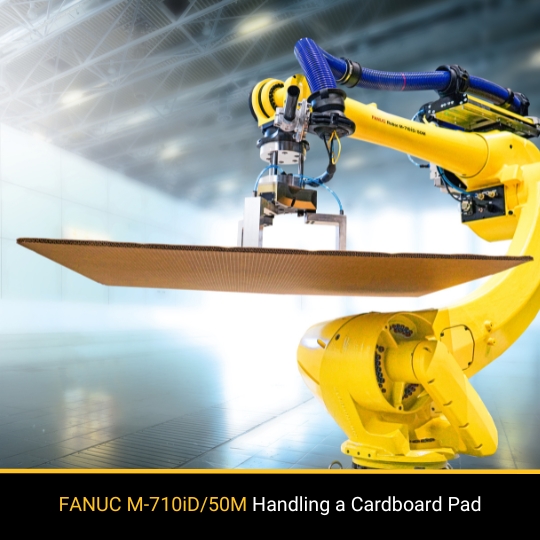
Image credit: automatedsolutions.com.au
Safety is another important factor to the advancement of robot arms. Numerous manufacturing tasks, like handling dangerous materials or using heavy machinery could be hazardous for human workers. With the help of robot arms, businesses can eliminate employees from these hazardous areas, greatly decreasing the risk of workplace injuries. A robotic arm, designed as a kinematic chain of movable joints, mimics the functionality of a human arm but operates without the risk of physical harm. The machines are fitted with robotic hands, or programmable end-effectors. They can be used for tasks such as grasping, spinning and welding, in conditions that are dangerous for human beings.
Robotic arms’ versatility makes them a game-changer across diverse industries. Robots can be adapted to numerous tasks, from assembly for automobiles to electronic production. The programability of these arms allows them to perform complex tasks like painting or applying fiberglass with a high level of consistency. In warehousing and storage, robotic arms have revolutionized palletizing, automating the process of loading goods onto pallets with precision and speed. The automation increases productivity and security because robot arms are able to work continuously without getting tired.
The development of cobots (collaborative robots) which work in conjunction alongside human employees is one of the most thrilling innovations in this field. Cobots with robotic arms, unlike conventional industrial robots that are kept in isolated cells, are designed to be able to communicate with humans securely and effortlessly. In a factory environment, a cobot’s robotic arm may be capable of handling heavy lifting or repetitive tasks, allowing humans to concentrate on more complicated tasks. The robots can slow down or alter their movements when they see a person nearby.
The impact of robotic arms extends beyond the safety and efficiency of robotic arms into the very foundation of manufacturing today. They are indispensable for industries that require extreme precision in processes such as welding, assembly or even material handling. Robot arms, for instance, is able to rotate and place parts during assembly in the automotive industry to ensure that they are precisely aligned, with no human intervention. Similar to electronics, robot arms manage delicate components with care, reducing damage and improving output quality.
Robotic arms are likely to increase in importance as industries develop. As they can reduce costs, improve safety, and adjust to various tasks they will become the foundations of future manufacturing. Utilizing cutting-edge technology and human creativity, robot arms aren’t just instruments. They’re partners driving the pace of innovation and are changing how we create our world.