Vape detectors, as opposed to traditional smoke detectors, are specifically designed to recognize the particular aerosol particles and the chemicals created by e-cigarettes. These devices make use of advanced vape sensors to analyze the quality of the air in real time by detecting compounds such as nicotine, THC, and other hazardous substances. If vaping is detected by the system it sends out an immediate alarm, allowing swift intervention.
Modern vape detectors come with unique features that extend beyond traditional detection to effectively combat vaping in school. They are equipped with certain unique features that help them fight the problem of smoking vape.
1. AI-Powered Substance Identification : Leveraging artificial intelligence, vape detectors are able to adapt and learn over time. They are able to differentiate between harmful substances like nicotine or THC and harmless aerosols such as steam. This technology helps reduce false alarms and provides precise detection in schools.
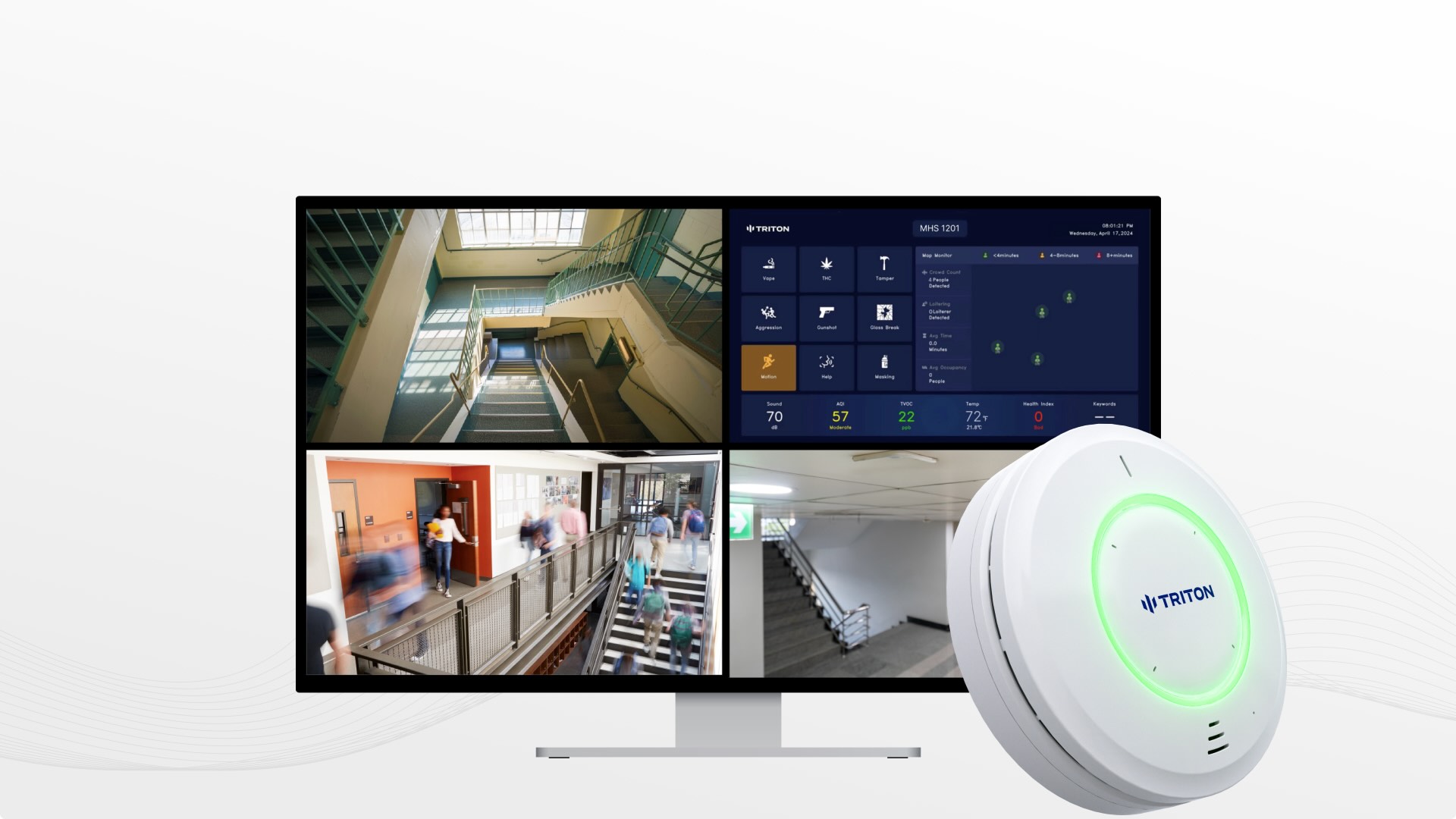
Image credit: tritonsensors.com
2. Customizable Sensitivity Setting are of all sizes and shapes, and have different environmental conditions. Vape detectors enable administrators to adjust the sensitivity in different locations like restrooms, lockers and hallways.
3. Tamper-Resistant Design : Made of robust materials and tamper-alert systems vape detectors will provide constant functionality even if students attempt to disable or obstruct the devices. In the event of tampering administrators are immediately notified. This enhances security and reliability.
4. Behavioral Pattern Recognition: Modern vape detectors can do more than just detect vaping–they identify patterns of behavior, like frequent gatherings in areas that are not accessible to. This feature lets schools and other institutions to handle problematic behaviors by taking proactive steps which creates a safer and more secure environment.
5. Integration with School Communication Systems: Vape detectors that are sophisticated are able to be seamlessly integrated into school communication systems, such as messaging applications or PA systems. This allows staff to receive real-time alerts without affecting the entire school community.
6. Energy-efficient operation: The latest vape detectors were developed to be energy-efficient and sustainable. They use minimal power, ensuring a long-term, stable operation. This feature is particularly useful for schools with large campuses, where numerous devices are required to adequately cover the entire campus.
7. Odor Analysis to Improve Detection : A few vape detectors now incorporate the ability to analyze odors to identify scents in vape vapors from e-cigarettes, which are often harder to identify. This feature can broaden the detection spectrum, making it easier to detect even the most innocuous vaping.
Vape detectors: Their role in schools
Implementing vape detectors for schools goes beyond detection; it represents a proactive approach to fostering a healthier, more focused learning environment.
Enhancing Student Safety
By identifying potential vaping violations early Vape detectors reduce the exposure to dangerous substances, thereby protecting students from both immediate and long-term risk to their health.
Promoting Accountability
Instant alerts help students be accountable for their actions, highlighting the necessity of adhering to school guidelines and encouraging responsible behavior.
Supporting Prevention Efforts
By analyzing the data from vape detectors, schools will be better aware of the magnitude of the problem of vaping and devise comprehensive strategies to prevent it. Parents can get involved as well as students educating themselves about the dangers of vaping, and support provided for those struggling with addiction.
The Effects on Vape Detection Technology
Vaping-related incidents have decreased significantly in schools that use advanced smoke detectors for vapes. A high school located in Texas recorded a 75% decrease in vape cases reported within three months of putting the detectors in bathrooms and locker rooms. Vape detectors also were incorporated in the safety guidelines of an California school district. They has seen a decrease in student behavior and less disciplinary measures.
These success stories demonstrate the power of technology to bring about meaningful change to schools.
The process of establishing a Comprehensive Strategy Against Vaping
While vape detectors are a powerful instrument, they are most effective when they are integrated into an overall strategy. Schools must follow these guidelines:
1. Instruct students: Frequently, conduct classes on the dangers and health risks of vaping.
2. Engage Parents: Give parents information that can help them identify the signs of smoking and motivate their children to make better choices.
3. Encourage open communication: Help students to speak openly about vaping and peer pressure in a positive and supportive environment that is focused on their wellbeing.
4. Collaboration with community partners: Collaboration with local health organizations as well as law enforcement agencies to increase anti-vaping initiatives.
The Road to safer schools
Vape detectors, which are the most advanced available are able to help combat this issue. These devices enable schools to limit vaping by combining real-time detection, monitoring of various substances, and data-driven information.
The fight against smoking does not stop at technology. To effectively combat this issue, it is important to take a holistic multi-faceted approach that involves parent involvement, education as well as collaborative efforts in the community. Schools can help create the best possible future for their students by utilizing these tools.
If you’re a school struggling with the vaping epidemic, now is the moment to take action. Think about installing smoke detectors for vapes to protect students as well as your campus. Let’s all work together to clear the air to ensure that everyone can flourish and thrive in a safe, supportive environment.