Neurodiversity is a key factor in the dynamic world of development for children. Children suffering from conditions such as ADHD or autism require an environment that is supportive of their individual strengths and allows them to thrive. This is where the synergy between ADHD support and autism sensory play sensory integration toys, as well as playthings that are mindful for children come into play. By integrating these elements into their daily routines, parents and teachers can provide enriching experiences that promote holistic growth. For more information, click ADHD support for children
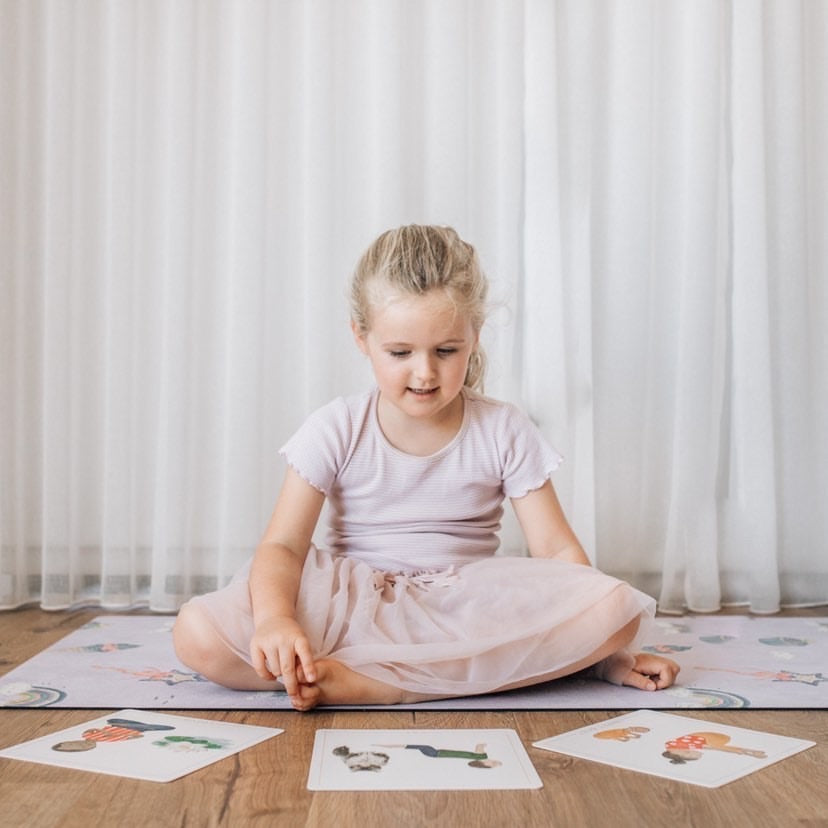
ADHD Support for Children: Enhancing focus and confidence
Children suffering from ADHD might have trouble focusing or controlling impulses. To offer effective assistance it is essential to use strategies that stimulate their minds and respect their uniqueness. Toys that encourage calmness and mindfulness for children can be beneficial. These toys give children a tactile experience to soothe tension and help children learn to focus their attention. Playing with mindfulness techniques can help manage ADHD symptoms as well as teach youngsters valuable life skills like emotional regulation stress reduction, as well as stress management.
Autism Sensory Play: Nurturing Expression and Exploration
Sensory activities can be energizing as well as challenging for children with autism. Autism sensory play focuses on creating an environment that stimulates the senses while assisting in the development of essential skills. Sensory integration tools play a crucial role in this approach. They stimulate multiple senses at once to encourage sensory exploration as well as coordination and cognitive development. Through the use of their tactile auditory, visual, and other senses, children can to communicate their emotions and learn about their surroundings. Sensory play with autism helps children to express themselves and develop their self-confidence.
Sensory Integration Toys : Building Bridges for Child Development
Sensory integration toys act as bridges that connect children with the world around them. They come in a wide range of textures and shapes with a focus on different senses and motor abilities. They offer children the chance to explore and adapt to sensory input, ultimately aiding in the development of sensory processing skills. The three main benefits of sensory toys are:
1. Enhanced Perception: Sensory Integration Toys expose children to different sensory experiences, sounds, and visual signals. This exposure encourages their brains to absorb sensory information more effectively and improve their ability to react to stimuli encountered in daily situations.
2. To operate a range of types of sensory toys, you’ll need to be able to use fine motor skills and hand-eye coordination. These toys help children improve their dexterity and motor skills that result in improved physical control and confidence.
3. Multisensory toys stimulate multiple brain regions simultaneously. This engagement contributes to cognitive development through the stimulation of connections between different neural pathways, improving the ability to solve problems and creativity.
Mindful toys for children: cultivating calmness and concentration
The concept of mindfulness is gaining popularity due to its effect on our emotional wellbeing. The mindful toys of children include mindfulness components into their games to encourage children to remain focused and in the moment. These toys typically come with activities that demand attention to details, like puzzles, coloring books, or guided relaxation exercises. These games allow children to concentrate their attention and energy focused on the task, which can be beneficial both academically as well as socially.
It’s crucial to emphasize the holistic approach that is created by the intersection of autism sensory toys, mindful toys for children and ADHD aid. The elements mentioned above aren’t isolated but rather, they are a part of a larger picture to create a plan of action that addresses the needs of neurodiverse child. Parents can create an environment that is conducive to emotional, cognitive and sensory needs are addressed through mindfulness-based activities and sensory play into their routines.
The final step of supporting children with ADHD and autism must be embraced their strengths and weaknesses. By integrating sensory play, the use of sensory-integration equipment, as well mindfulness practices, educators and caregivers can create a space that encourages development at multiple levels. Whether it’s aiding in concentration, encouraging self-expression, enhancing sensory processing, or promoting mindfulness, each element contributes to a comprehensive method of child development. By unlocking the potential within these methods, we can pave the way to a better future for all children, regardless of neurodiversity.